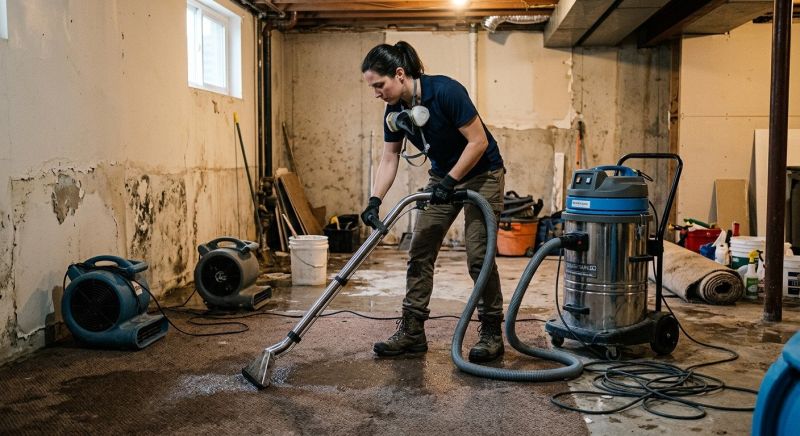
Flood Damage Repair in Phoenix, AZ
Flood damage repair services address the aftermath of flooding events that can impact residential properties. These projects typically include removing standing water, drying out affected areas, cleaning and sanitizing surfaces, and restoring structural elements such as flooring, walls, and insulation. Property owners often seek this service after experiencing severe weather, plumbing failures, or other incidents that result in water intrusion, with the goal of preventing further damage and restoring the property to a safe, livable condition.
Before requesting flood damage repair, homeowners usually want to understand the scope of work involved, including the extent of water intrusion and potential structural damage. It’s also important to consider the presence of mold or other health hazards that may develop after flooding. Clarifying what parts of the property need restoration, as well as the process for cleaning and drying affected areas, helps ensure that property owners are prepared for the necessary steps to recover from flood-related damage.
Many property owners in Phoenix, AZ look into Flood Damage Repair for repairs, replacements, upgrades, and appearance-related improvements.
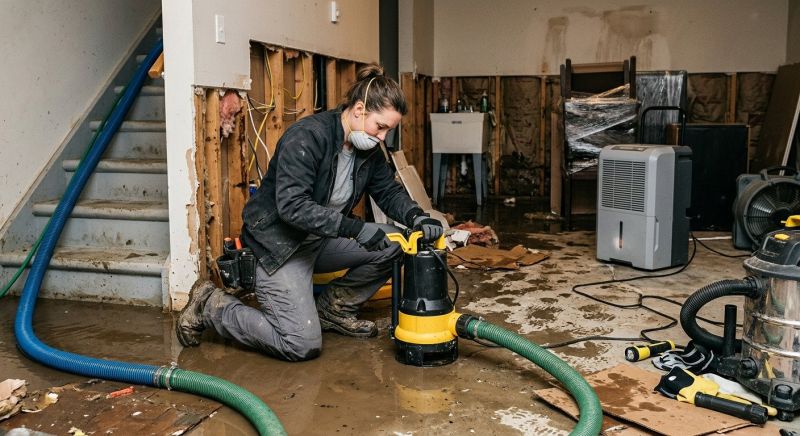
Water Damage Restoration
Restoring homes affected by flooding with effective drying and cleanup solutions.
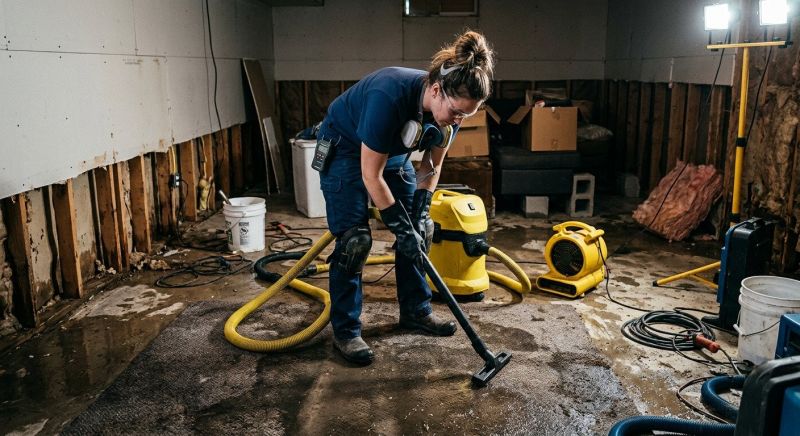
Structural Drying And Repair
Addressing compromised building materials to prevent further damage and ensure safety.
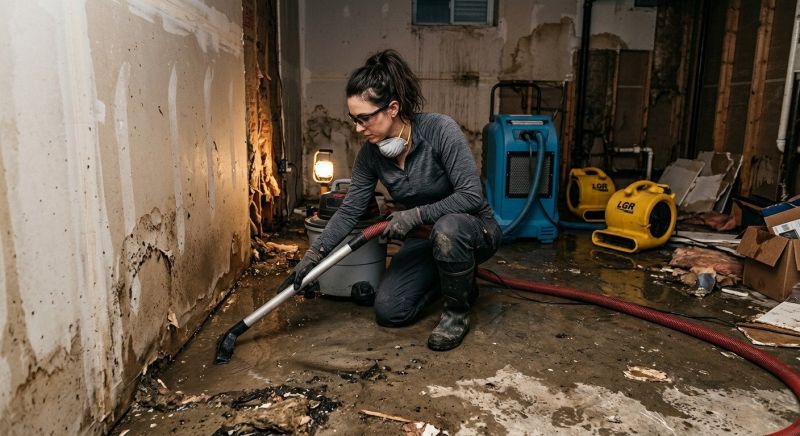
Mold Prevention And Cleanup
Removing mold growth caused by excess moisture to protect health and property value.
Flood Damage Repair in Phoenix, AZ
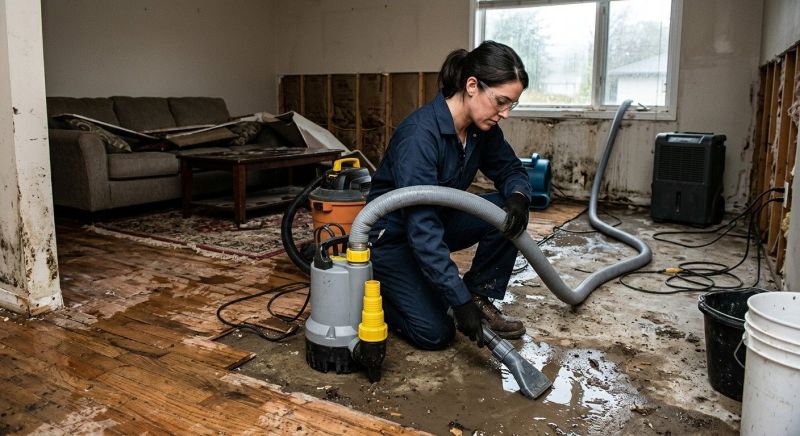
Flood damage repair services address the aftermath of flooding events that can impact residential properties. These projects typically include removing standing water, drying out affected areas, cleaning and sanitizing surfaces, and restoring structural elements such as flooring, walls, and insulation. Property owners often seek this service after experiencing severe weather, plumbing failures, or other incidents that result in water intrusion, with the goal of preventing further damage and restoring the property to a safe, livable condition.
Before requesting flood damage repair, homeowners usually want to understand the scope of work involved, including the extent of water intrusion and potential structural damage. It’s also important to consider the presence of mold or other health hazards that may develop after flooding. Clarifying what parts of the property need restoration, as well as the process for cleaning and drying affected areas, helps ensure that property owners are prepared for the necessary steps to recover from flood-related damage.
Many property owners in Phoenix, AZ look into Flood Damage Repair for repairs, replacements, upgrades, and appearance-related improvements.
Common Flood Damage Repair Jobs
Flood Damage Cleanup - removal of standing water and debris to prevent further property damage.
Structural Drying - use of specialized equipment to thoroughly dry affected building materials.
Mold Remediation - treatment of mold growth caused by excess moisture after flooding.
Water Damage Restoration - restoring damaged walls, floors, and ceilings to pre-flood condition.
Content Restoration - cleaning and restoring personal belongings affected by floodwaters.
Flood Damage Inspection - assessing property to determine the extent of water and structural damage.
Flood Damage Repair Questions
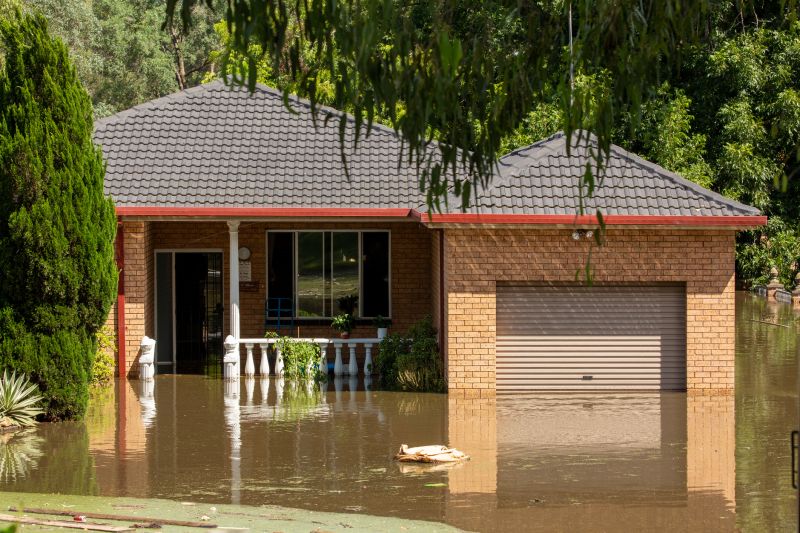
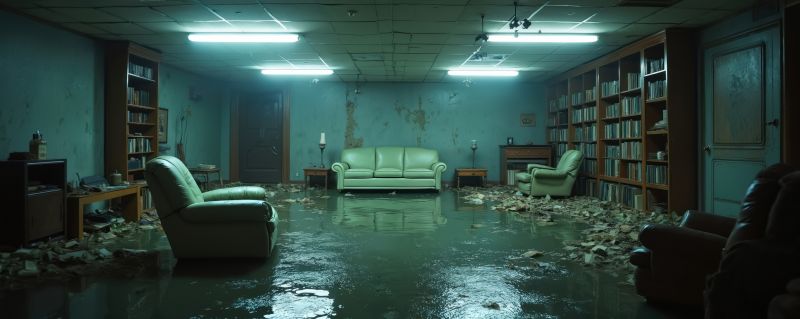
What are common signs of flood damage in a property? Signs include water stains, warped flooring, musty odors, and visible mold growth.
How does flood damage affect a property's structure? Flooding can weaken foundations, cause wood rot, and compromise walls and flooring.
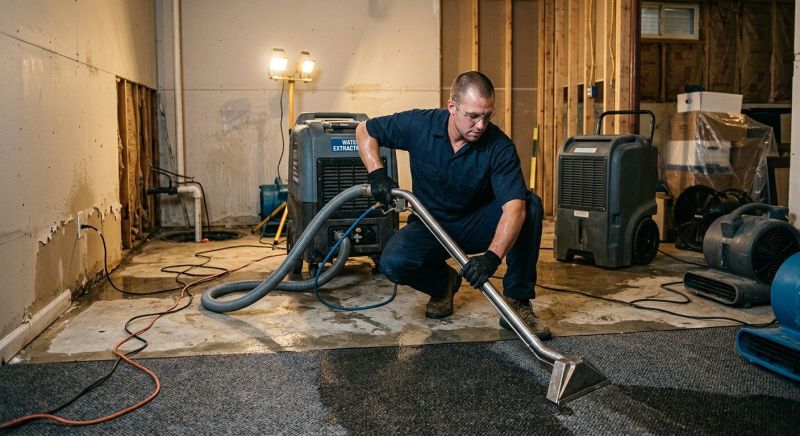
What types of flood damage repairs are typically needed? Repairs often involve water extraction, drying and dehumidification, mold removal, and structural drying.
Why is prompt flood damage repair important? Early action helps prevent further deterioration, mold growth, and long-term structural issues.
Request Flood Damage Repair in Phoenix, AZ
Use the quote form on this page to share the basics of your project and request more information for the type of work you need.