
Expert Picks In Foundation Sealings For Superior Structural Integrity
Find the most trusted sealing products favored by professionals to secure your foundation effectively and efficiently.
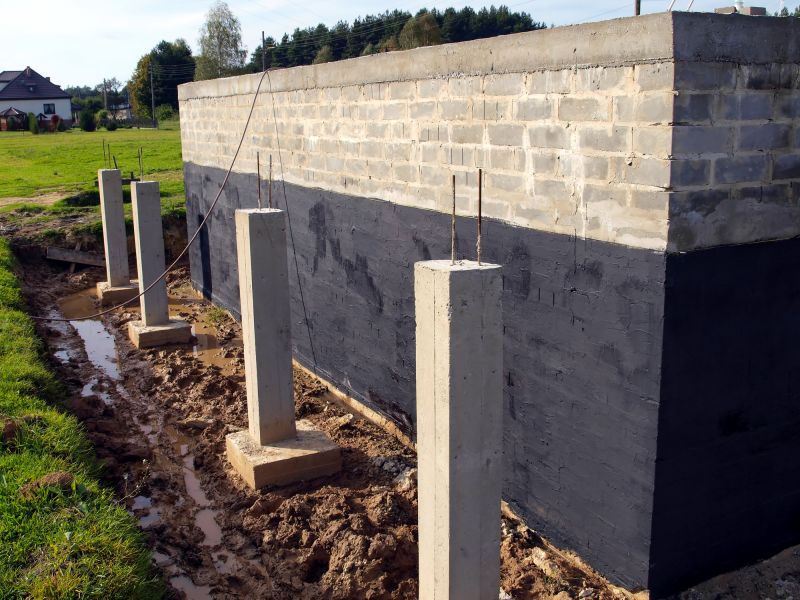 Foundation sealings are essential components in construction and home improvement projects, serving to protect the foundation from water intrusion, moisture infiltration, and structural damage. These sealings come in a variety of materials and formulations, each suited for specific applications and environmental conditions. Proper selection and application of foundation sealants can help maintain the integrity of the structure, prevent costly repairs, and extend the lifespan of the building.
Top Overall Option
Versatile Elastomeric Sealant
A highly adaptable elastomeric sealant offers excellent flexibility and adhesion for a wide range of foundation sealing applications. Its ability to expand and contract with movement helps maintain a continuous barrier, reducing the risk of cracks and leaks. This type of sealant is suitable for use around joints, cracks, and penetrations, making it a reliable choice for various foundation surfaces.
Types of Products For Foundation Sealings
Acrylic Sealants
Water-based sealants that are easy to apply and clean up, suitable for minor cracks and gaps.
Polyurethane Sealants
Highly durable and flexible, ideal for sealing larger cracks and joints exposed to movement.
Bituminous Coatings
Thick, waterproof coatings designed for exterior foundation surfaces to prevent water infiltration.
Rubberized Sealants
Flexible and weather-resistant, suitable for sealing around pipes and penetrations.
Hydraulic Cement
Fast-setting material used for emergency repairs of active leaks and cracks.
Liquid Membranes
Applied as a coating to create a seamless waterproof barrier on foundation surfaces.
Polyurea Coatings
Rapid-curing and highly elastic coatings that provide long-lasting waterproofing solutions.
Butyl Rubber Sealants
Adhesive and sealing properties suitable for small cracks and joints in foundations.
Silicone Sealants
Flexible and resistant to extreme temperatures, used for sealing around windows and vents.
Cementitious Waterproofing
A cement-based mixture applied to exterior surfaces for comprehensive waterproofing.
Bitumen-based Sealants
Heavy-duty sealants ideal for exterior applications exposed to water and moisture.
Epoxy Sealants
High-strength sealants suitable for structural repairs and crack filling.
Polyurethane Foam
Expanding foam used to fill large gaps and voids around foundations.
Popular Choices
Widely used for sealing cracks and joints due to its ease of application and adaptability.
Commonly chosen for exterior foundation surfaces to prevent water penetration.
Popular for quick repairs of active leaks and cracks in foundations.
Favored for its durability and flexibility in sealing larger gaps.
Frequently selected for exterior waterproofing in foundation projects.
Chosen for its temperature resistance and versatility around penetrations.
Popular for creating seamless waterproof barriers on foundation walls.
Often used in basement waterproofing applications for its effectiveness.
Increasingly used for high-performance waterproofing needs.
Commonly used for small cracks and sealing around pipes.
Preferred for structural crack repairs due to its strong bonding properties.
Popular for filling large gaps and voids in foundation walls.
Different types of foundation sealings include flexible sealants that accommodate movement and settling, waterproof coatings that create a barrier against moisture, and specialized sealants designed for use around pipes, joints, and cracks. The choice of product often depends on factors such as the type of foundation, exposure conditions, and the nature of the surface to be sealed. It is important to consider the compatibility of the sealant with existing materials, ease of application, and durability.
Applying foundation sealings correctly is crucial for achieving optimal performance. Surface preparation involves cleaning and drying the area, while proper application techniques ensure that the sealant adheres well and forms a continuous, effective barrier. Regular inspection and maintenance can help identify early signs of deterioration or failure, allowing for timely reapplication or repairs.
Investing in quality foundation sealing products can contribute significantly to the overall health of a structure. Whether for new construction, renovation, or repair projects, selecting the right product tailored to specific needs is vital. By understanding the different options available and considering key factors, homeowners and contractors can make informed decisions to safeguard their properties against moisture and water-related issues.
Key Buying Considerations
- Compatibility with existing foundation materials to ensure proper adhesion.
- Flexibility of the sealant to accommodate foundation movement and settling.
- Water resistance and waterproofing capabilities for protection against moisture intrusion.
- Ease of application, including tools required and curing time.
- Durability and long-term performance in various weather conditions.
- Ability to adhere to vertical and overhead surfaces without sagging.
- Resistance to temperature extremes and UV exposure if applicable.
- Compatibility with other construction materials like concrete, brick, or stone.
- Type of sealant suitable for specific applications such as cracks, joints, or penetrations.
- Regulatory compliance and safety standards for construction products.
- Cost-effectiveness considering the longevity and performance of the product.
- Availability of the product for quick procurement and delivery.
- Reparability and ease of reapplication if needed.
- Environmental conditions of the site, including exposure to water, soil, and temperature fluctuations.
- Manufacturer's instructions and recommended application techniques.